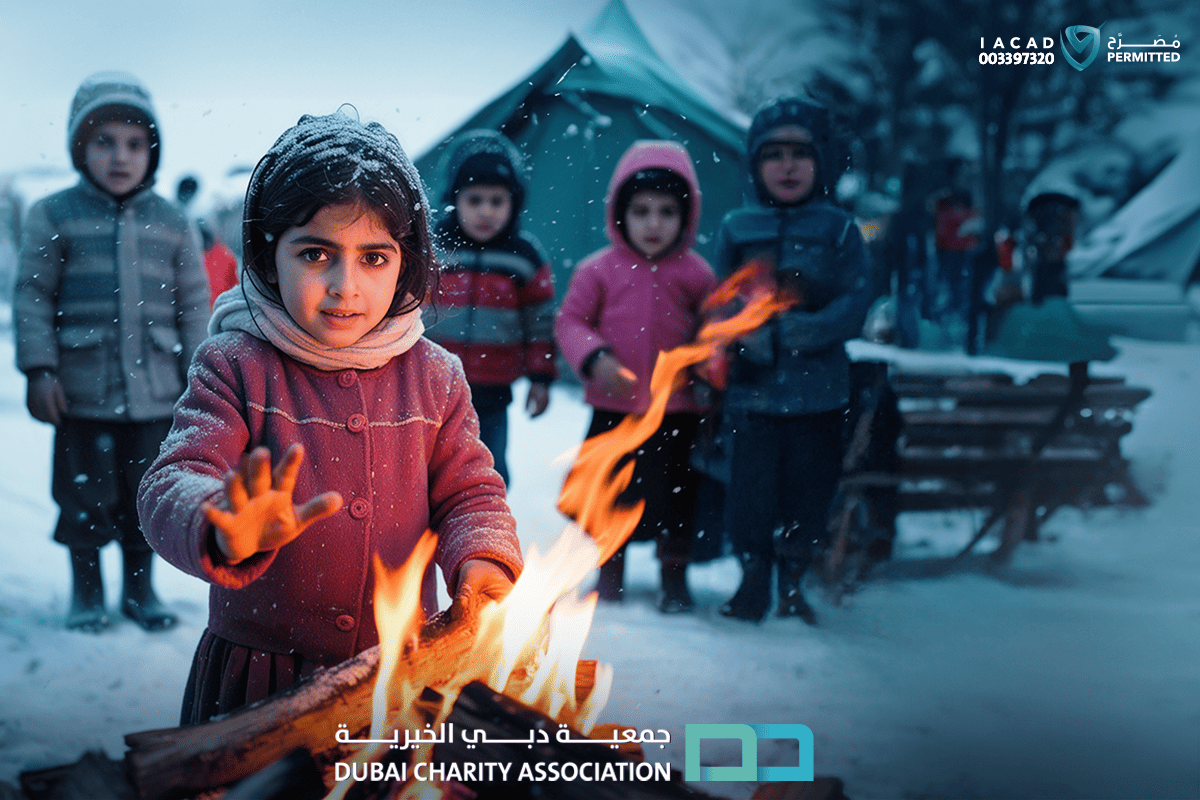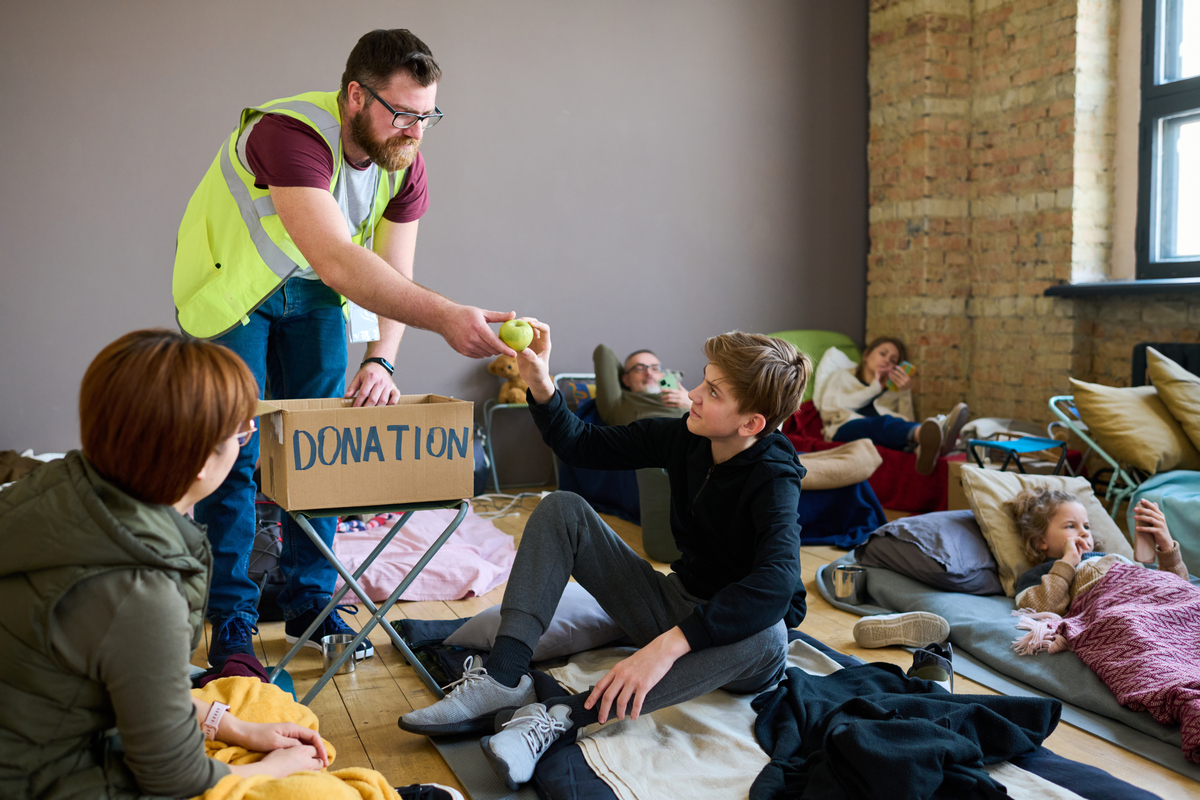

الزكاة والصدقة من أبرز ممارسات العمل الخيري في الإسلام، حيث يشكل كل منهما جزءًا لا يتجزأ من نظام العطاء والتكافل الاجتماعي الذي يهدف إلى تحسين حياة المحتاجين. ورغم أن كلاهما يعكس القيم الإنسانية للإسلام، إلا أن بينهما فروقًا جوهرية تتعلق بالإلزام، الأهداف، والمستفيدين. في هذا المقال التفصيلي، سنتناول الفرق بين الزكاة والصدقة، مع استعراض موسع لأنواع المشاريع التي يمكن تمويلها من خلالهما، ودور جمعية دبي الخيرية في توجيه أموال الزكاة والصدقات لتحقيق الأثر الإيجابي المستدام.
تعريف الزكاة والصدقة
الزكاة
الزكاة فريضة إسلامية واجبة على كل مسلم قادر، وهي أحد أركان الإسلام الخمسة. تُفرض الزكاة على أموال معينة بعد أن تتجاوز النصاب وتُكمل الحول، ويجب أن تُصرف لفئات محددة حددها القرآن الكريم في سورة التوبة: "إِنَّمَا الصَّدَقَاتُ لِلْفُقَرَاءِ وَالْمَسَاكِينِ وَالْعَامِلِينَ عَلَيْهَا وَالْمُؤَلَّفَةِ قُلُوبُهُمْ وَفِي الرِّقَابِ وَالْغَارِمِينَ وَفِي سَبِيلِ اللَّهِ وَابْنِ السَّبِيلِ."
الصدقة
الصدقة هي عطية طوعية يقوم بها المسلم بهدف مساعدة الآخرين وإرضاء الله. يمكن أن تكون الصدقة مالية، عينية، أو حتى معنوية مثل تقديم النصح، الكلمة الطيبة، أو الابتسامة. بخلاف الزكاة، الصدقة ليست واجبة لكنها مستحبة في كل وقت.
الفرق بين الزكاة والصدقة
1. الإلزام الشرعي
- الزكاة: واجبة على كل مسلم تتوفر فيه شروط محددة.
- الصدقة: مستحبة وتطوعية.
2. النسب والمقادير
- الزكاة: لها نسب محددة مثل 2.5% من الأموال النقدية، أو نصيب معين من الزروع والثروة الحيوانية.
- الصدقة: ليس لها مقدار معين، ويمكن أن تكون بأي قيمة.
3. الأهداف
- الزكاة: تهدف إلى تحقيق العدالة الاجتماعية وإعادة توزيع الثروة.
- الصدقة: تعكس قيم الرحمة والعطاء دون حدود أو شروط.
4. المستفيدون
- الزكاة: تُصرف لفئات محددة مثل الفقراء، المساكين، الغارمين، وفي سبيل الله.
- الصدقة: يمكن أن تُقدم لأي محتاج دون قيود.
5. توقيت الأداء
- الزكاة: تُدفع مرة واحدة سنويًا بعد مرور الحول.
- الصدقة: يمكن تقديمها في أي وقت.
أنواع مشاريع الزكاة والصدقة
أولًا: مشاريع الزكاة
1. دعم الفقراء والمساكين
- تقديم إعانات مالية شهرية أو موسمية للأسر الفقيرة.
- توزيع طرود غذائية للأسر التي تعاني من نقص الموارد.
2. مشاريع الإسكان
- بناء وحدات سكنية للأسر التي تعيش في مناطق متهالكة.
- توفير مساكن مؤقتة للاجئين والنازحين.
3. التعليم
- إنشاء مدارس مجانية أو توفير منح دراسية للأطفال غير القادرين.
- دعم الطلاب بمستلزمات الدراسة مثل الحقائب والأدوات المدرسية.
4. الرعاية الصحية
- تمويل العمليات الجراحية للمرضى المحتاجين.
- شراء المعدات الطبية للمستشفيات التي تخدم المجتمعات الفقيرة.
5. تسديد ديون الغارمين
- تسديد الديون عن الأشخاص الذين يعجزون عن سدادها.
- تقديم الدعم المالي لتخفيف الأعباء عن العائلات المثقلة بالديون.
6. توفير فرص العمل
- إنشاء مشاريع صغيرة مدرة للدخل مثل الأكشاك وورش الحرف اليدوية.
- تدريب الشباب على المهارات المهنية.
7. دعم اللاجئين والمشردين
- تقديم المساعدات الغذائية والمأوى للنازحين.
- تمويل مراكز إيواء مؤقتة للاجئين.
ثانيًا: مشاريع الصدقة
1. بناء المساجد
- إنشاء المساجد في المناطق النائية لتعزيز التعلم الديني.
- تجهيز المساجد بمستلزمات الصلاة مثل الفرش والمكيفات.
2. حفر الآبار
- توفير مياه شرب نظيفة من خلال حفر الآبار.
- بناء محطات تحلية في المناطق التي تعاني من نقص المياه.
3. كفالة الأيتام
- توفير السكن والتعليم والرعاية الصحية للأيتام.
- تقديم مبالغ مالية شهرية للأيتام لتلبية احتياجاتهم.
4. مشاريع الطعام
- تنظيم موائد إفطار خلال شهر رمضان.
- تقديم وجبات ساخنة يومية للمحتاجين والمشردين.
5. الصدقة الجارية
- بناء مدارس ومستشفيات تُعتبر صدقة مستدامة.
- إنشاء مكتبات عامة أو توزيع كتب علمية.
6. مشاريع الإغاثة
- توفير المساعدات العاجلة في حالات الكوارث الطبيعية.
- توزيع الملابس والأغطية في فصل الشتاء.
7. دعم الأرامل والمطلقات
- تقديم برامج تمكين المرأة مثل التدريب المهني.
- توفير دخل ثابت يساعد على الاستقلال المالي.
دور جمعية دبي الخيرية في تنفيذ المشاريع
1. إدارة أموال الزكاة
- تحديد الفئات المستحقة بعناية.
- توزيع أموال الزكاة وفقًا للضوابط الشرعية.
2. تنفيذ مشاريع الصدقة الجارية
- بناء المساجد والمدارس والمستشفيات.
- توفير مصادر مياه مستدامة عبر حفر الآبار.
3. المساعدات الموسمية
- توزيع الملابس والهدايا في الأعياد.
- إطلاق مبادرات إفطار الصائمين خلال رمضان.
4. دعم التعليم والصحة
- توفير منح دراسية للطلاب المحتاجين.
- تمويل العلاج الطبي للأسر ذات الدخل المحدود.
5. الاستجابة الطارئة للكوارث
- إرسال مساعدات عاجلة للمتضررين من الزلازل والفيضانات.
- توفير مأوى مؤقت للأسر المتضررة.
6. الابتكار في جمع التبرعات
- إطلاق منصات إلكترونية لتسهيل عملية التبرع.
- تقديم خدمات الدفع الإلكتروني لتيسير وصول التبرعات.
أهمية دعم مشاريع الزكاة والصدقة
- تحقيق العدالة الاجتماعية: تسهم الزكاة والصدقة في تقليل الفجوة بين الأغنياء والفقراء.
- تعزيز التكافل الاجتماعي: تقوي الروابط الإنسانية وتدعم ثقافة التعاون.
- تحقيق الاستدامة: من خلال دعم المشاريع المستدامة كالمدارس والمستشفيات.
- مساعدة الفئات الأكثر حاجة: مثل الأيتام، الأرامل، واللاجئين.
أسئلة شائعة حول الزكاة والصدقة
1. ما الفرق بين الزكاة والصدقة؟
الزكاة واجبة على المسلمين الذين تتوفر فيهم شروط معينة، ولها مقدار محدد، وتُصرف لفئات محددة. أما الصدقة فهي تطوعية ومستحبة، ويمكن تقديمها في أي وقت لأي شخص محتاج.
2. هل يمكن دفع الزكاة للأقارب؟
نعم، يمكن دفع الزكاة للأقارب إذا كانوا من الفئات المستحقة، بشرط ألا يكونوا من الأشخاص الذين تجب نفقتهم عليك.
3. ما هو النصاب في الزكاة؟
النصاب هو الحد الأدنى للمال الذي تجب فيه الزكاة، وهو ما يعادل قيمة 85 جرامًا من الذهب.
4. هل يمكن تقديم الزكاة على شكل مواد عينية؟
يجوز تقديم الزكاة على شكل مواد عينية إذا كانت تلبي احتياجات المستفيدين بشكل مباشر.
5. ما هي الصدقة الجارية؟
الصدقة الجارية هي صدقة يستمر نفعها بعد وفاة المتصدق، مثل بناء المساجد أو حفر الآبار.
6. هل تجوز الصدقة لغير المسلمين؟
نعم، يجوز إعطاء الصدقة لغير المسلمين، خاصة إذا كانوا محتاجين أو لتأليف قلوبهم.
7. هل يمكن دفع الزكاة في مشاريع عامة؟
نعم، يمكن تخصيص الزكاة لمشاريع عامة تخدم الفئات المستحقة، مثل بناء مستشفيات أو مدارس.
8. ما حكم تأخير دفع الزكاة؟
تأخير دفع الزكاة دون عذر شرعي لا يجوز، ويجب إخراجها فور استحقاقها.
9. هل تجوز الزكاة على الديون؟
نعم، الزكاة تجوز لتسديد ديون الأشخاص الذين يعجزون عن السداد.
10. ما أفضل أنواع الصدقات؟
أفضل الصدقات هي تلك التي تلبي احتياجات عاجلة أو مستدامة، مثل إطعام الجوعى، حفر الآبار، وبناء المساجد.
الزكاة والصدقة وسيلتان عظيمتان لتحقيق التكافل الاجتماعي في الإسلام، ولكل منهما دور هام في مساعدة الفقراء والمحتاجين. من خلال الجمعيات الموثوقة مثل جمعية دبي الخيرية، يمكن للمسلمين توجيه أموالهم إلى مشاريع مستدامة تخدم المجتمع وتترك أثرًا طويل الأمد. تبرعك اليوم قد يُغير حياة إنسان للأفضل، فلا تتردد في دعم العمل الخيري بكل أشكاله.